
The internet has changed dramatically over the past two decades. Websites that once took several seconds—or even minutes—to load are now expected to appear almost instantly. Behind this transformation are several innovative technologies that work together to reduce loading times, improve responsiveness, and create smoother browsing experiences. Many people searching for tech ideas that made the web move quicker want to understand the innovations that power today’s fast internet.
Website speed is no longer just about convenience. Faster websites improve user experience, increase search engine rankings, reduce bounce rates, and even boost online sales. Businesses, developers, and content creators all benefit from adopting modern technologies that optimize performance.
This guide explores tech ideas that made the web move quicker, explaining how each innovation works, why it matters, and how it continues shaping today’s internet.
1. Content Delivery Networks (CDNs)
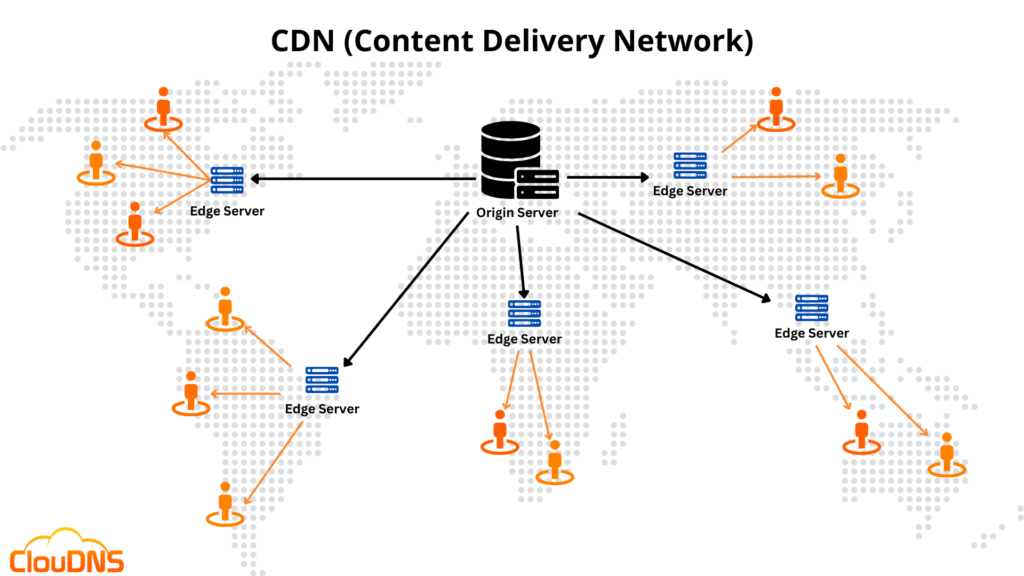
One of the biggest breakthroughs among tech ideas that made the web move quicker is the development of Content Delivery Networks (CDNs). Instead of storing website files on a single server located in one country, CDNs distribute copies of website content across hundreds of servers worldwide.
When someone visits a website, the CDN automatically delivers files from the server closest to the visitor’s location. This significantly reduces the physical distance that data must travel, resulting in much faster loading speeds. For example, a visitor in Japan accessing a U.S.-based website can receive images and files from a nearby Asian server instead of waiting for data to travel across the Pacific Ocean.
CDNs also improve website reliability by balancing traffic during periods of high demand. If one server becomes overloaded, another nearby server can handle incoming requests without affecting performance.
| CDN Benefit | Impact |
| Faster Loading | Reduced latency |
| Global Servers | Faster access worldwide |
| Traffic Balancing | Improved reliability |
| Better Security | Helps reduce DDoS attacks |
Today, nearly every major website—including streaming platforms, e-commerce stores, and news organizations—relies on CDNs to deliver content quickly and efficiently.
2. HTTP/2 Protocol
Another revolutionary advancement among tech ideas that made the web move quicker is the introduction of HTTP/2. Before HTTP/2, browsers had to request website resources one after another, creating delays when loading multiple files such as images, scripts, and stylesheets.
HTTP/2 introduced multiplexing, allowing multiple files to travel simultaneously through a single connection. Instead of opening numerous separate connections for every webpage component, browsers can efficiently receive several resources at once.
The protocol also introduced header compression, reducing unnecessary data transmitted between browsers and servers. Smaller requests mean faster communication and improved efficiency.
Another important improvement is server push, where servers proactively send important files before browsers even request them. This helps websites display essential content more quickly and creates a smoother browsing experience.
Compared to the original HTTP protocol, HTTP/2 dramatically reduced page loading times while improving network efficiency. Today, most modern websites support HTTP/2 because it provides better performance without requiring major website redesigns.
3. Lazy Loading and Asynchronous Resource Handling
Among the most practical tech ideas that made the web move quicker is lazy loading. Instead of loading every image, video, and embedded element immediately when a webpage opens, lazy loading delays downloading content until users actually scroll to that section. This reduces the amount of data transferred during the initial page load, allowing visitors to start reading content much sooner.
For example, an online article containing dozens of images no longer needs to download every picture immediately. Only the images visible on the screen load first, while the remaining ones load as the visitor continues scrolling. This technique significantly improves loading speed while reducing bandwidth consumption.
Another important optimization is asynchronous resource handling. Normally, certain JavaScript files can prevent a webpage from displaying until they finish loading. By using asynchronous loading, browsers continue displaying page content while scripts download in the background. Visitors see usable content much faster, even if additional functionality continues loading afterward.
These technologies are especially valuable for mobile users, where internet speeds may fluctuate. Combined together, lazy loading and asynchronous loading provide a smoother browsing experience while reducing unnecessary server requests.
4. Modern Image Optimization and Formats
Images are often the largest files on a webpage, making image optimization one of the most valuable tech ideas that made the web move quicker. Modern websites no longer rely only on older formats like JPEG and PNG. Instead, many developers now use newer image formats such as WebP and AVIF, which provide excellent visual quality while requiring much smaller file sizes.
Image optimization also includes resizing pictures to match the visitor’s screen resolution. Instead of sending a large desktop-sized image to a smartphone, responsive image techniques automatically deliver smaller versions that load much faster.
Developers further improve performance by compressing images before uploading them and using adaptive image delivery based on device capabilities.
| Image Technology | Benefit |
| WebP | Smaller files with high quality |
| AVIF | Even better compression |
| Responsive Images | Optimized for every device |
| Image Compression | Faster downloads |
These improvements reduce page size significantly, helping websites load faster without sacrificing visual appearance.
Why These Matter Today
The internet has become increasingly competitive, making speed more important than ever. Modern users expect websites to load within just a few seconds. If pages are slow, visitors often leave immediately, reducing engagement and potential revenue. Search engines like Google also consider website speed as an important ranking factor, meaning faster websites often perform better in search results.
The technologies discussed throughout this guide work together rather than independently. CDNs reduce distance, HTTP/3 improves communication, compression shrinks files, caching eliminates repeated downloads, lazy loading reduces unnecessary requests, and optimized images minimize bandwidth usage. Together, these innovations create the fast browsing experience users now take for granted.
As technology continues evolving, developers will discover even more efficient methods for improving website performance. However, these core innovations remain the foundation of today’s modern web.
Conclusion
The internet we use today is dramatically faster because of several groundbreaking innovations. Tech ideas that made the web move quicker include Content Delivery Networks, HTTP/2, HTTP/3 with QUIC, data compression, browser caching, lazy loading, asynchronous resource handling, and modern image optimization. Each technology solves a different performance challenge while working together to create a smoother online experience.
Whether you’re a website owner, developer, business, or everyday internet user, understanding these technologies helps explain why modern websites load so much faster than they did just a few years ago. As internet standards continue advancing, these innovations will remain essential building blocks for the future of web performance.
FAQs
What are the biggest tech ideas that made the web move quicker?
The biggest innovations include CDNs, HTTP/2, HTTP/3, Gzip, Brotli, browser caching, lazy loading, and modern image formats.
Why are CDNs important for website speed?
CDNs store website content on servers around the world, allowing visitors to download files from the nearest location instead of a distant server.
What is the difference between HTTP/2 and HTTP/3?
HTTP/2 improves efficiency through multiplexing, while HTTP/3 uses QUIC to reduce delays and improve performance on unstable networks.
How does lazy loading improve website performance?
Lazy loading downloads images and media only when users scroll to them, reducing the amount of data loaded initially.
Why is image optimization important?
Optimized images reduce file size while maintaining quality, helping webpages load faster and consume less bandwidth.